Article: Neutral Buoyancy Starts Before the Dive: Weighting, Familiar Gear, and Small Adjustments
Neutral Buoyancy Starts Before the Dive: Weighting, Familiar Gear, and Small Adjustments
Effective buoyancy control is not achieved solely through in-water technique; it is established before entry by selecting the correct weight for your specific gear configuration and water conditions, and by becoming intimately familiar with your equipment’s response to air adjustments. As dive gear becomes more complex, the margin for error in buoyancy management narrows, requiring divers to account for variables such as suit thickness, tank type, and salinity to achieve a neutral state.
How Equipment Complexity Shifts Your Buoyancy Baseline
When divers add layers or specialized gear to their setup, the physical properties of their total system change, altering the amount of weight required to remain neutral. Divers Alert Network (DAN) notes that as dive equipment grows more complex, the attention required for buoyancy management increases accordingly. Specifically, adding items such as a drysuit, a weight harness, or a rebreather introduces additional variables that complicate the balance between positive and negative buoyancy.
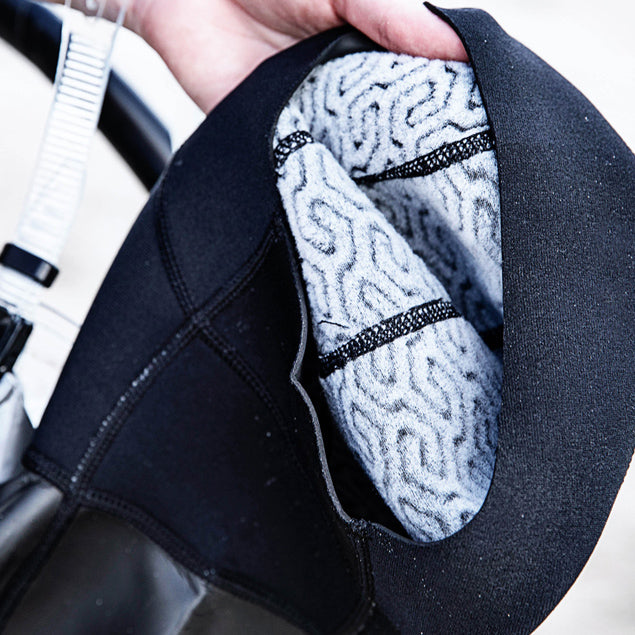
This complexity means that a weight setting that worked for a previous dive may not be appropriate for the next. PADI emphasizes that ideal weighting is not static; it changes depending on factors such as wetsuit thickness, tank type, and water salinity. Because these variables directly influence the diver’s overall density, adjusting the weight belt or harness to match the specific gear and environmental conditions is a prerequisite for stable buoyancy, rather than an afterthought.
The Role of Precise Weighting and Micro-Adjustments
Once in the water, the goal is to minimize the need for large, reactive corrections. PADI advises divers to aim to carry only the weight necessary to achieve neutral buoyancy underwater. This precise calibration allows the diver to maintain depth with minimal effort, reducing air consumption and physical strain.
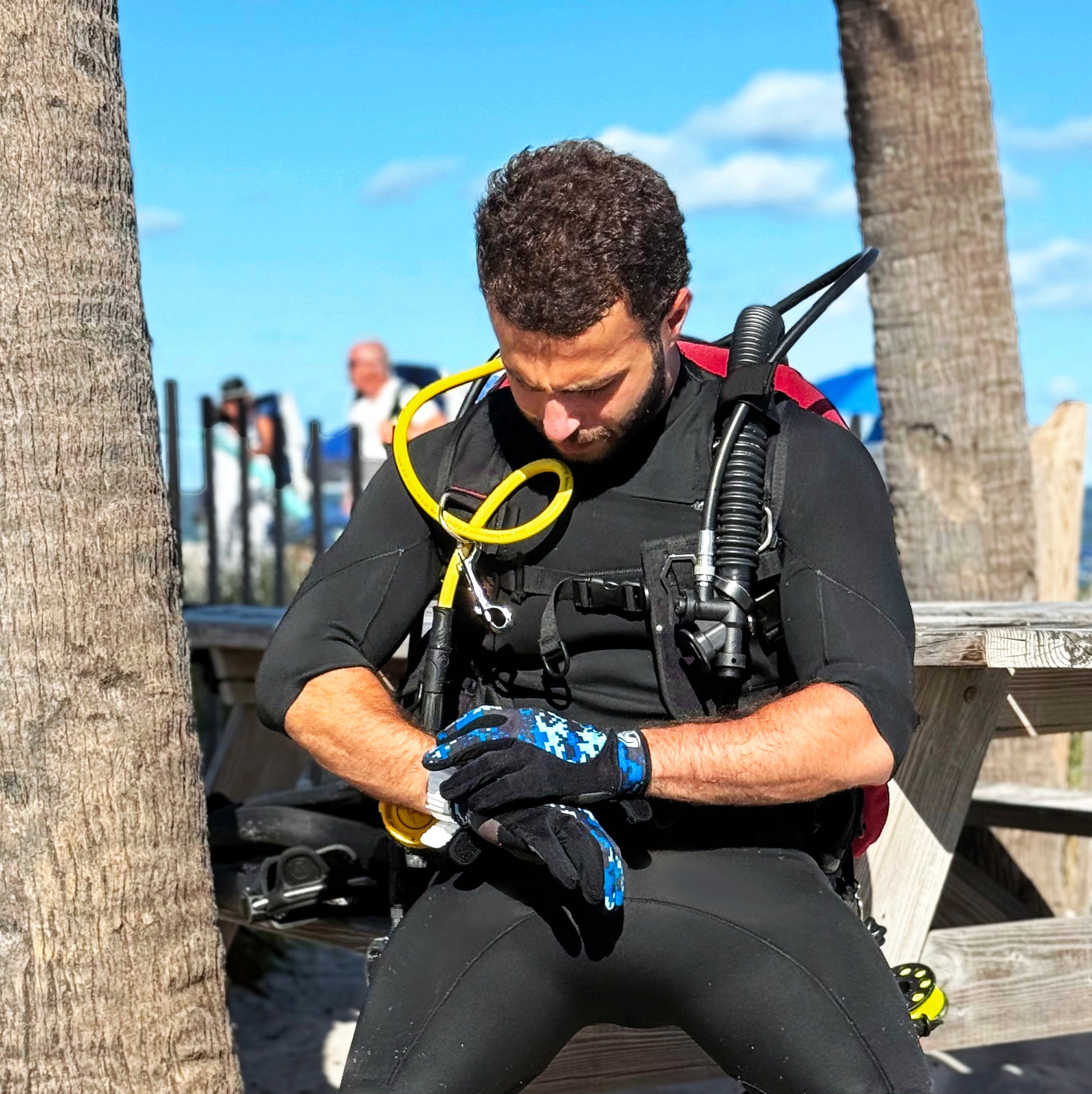
However, even with perfect weighting, minor fluctuations occur. To manage these, DAN states that a diver must understand their Buoyancy Control Device (BCD) "inside and out," including knowing exactly how it reacts to the addition or venting of air. This familiarity is critical because PADI recommends using breathing techniques and small BCD adjustments to maintain a consistent depth, rather than relying on larger, less controlled movements. The synergy between correct initial weighting and the ability to make subtle, informed BCD adjustments is what allows a diver to hover effortlessly.
Why Familiarity with Rental or Unfamiliar Gear Matters
Many divers travel or dive in locations where they must rent equipment or use gear that is not their own. While this is common, it introduces a layer of uncertainty that can impact safety and comfort. PADI suggests that if you rent, using the same equipment where possible can help you become more comfortable and consistent from dive to dive. Consistency in gear reduces the cognitive load required to manage buoyancy, allowing the diver to focus on the environment and safety.
The risk of unfamiliar gear becomes most apparent under pressure. DAN warns that in a stressful or emergency situation, there may not be time to search for weight releases or inflator/deflator valves. If a diver has not practiced with a specific BCD or weight system, the physical act of locating and operating these controls can be delayed, potentially compromising their ability to manage buoyancy quickly. Therefore, practicing with the specific gear you intend to use—whether owned or rented—helps ensure that muscle memory takes over when attention is needed most.
Safety Note
This article is educational and does not substitute for in-water instruction or a dive-specific risk assessment. Divers should consult with their instructor or dive guide to determine the appropriate weight and BCD configuration for their specific conditions and experience level.
Frequently Asked Questions
Does changing my wetsuit thickness change my required weight?
Yes. PADI notes that ideal weighting can change depending on factors such as wetsuit thickness, as well as tank type and water salinity.
Should I use the same rental gear every time?
If possible, yes. PADI advises that using the same equipment where possible helps divers become more comfortable and consistent from dive to dive, which is particularly important for managing buoyancy controls efficiently.
Why is it important to know how my BCD reacts to air?
DAN states that to master buoyancy control, a diver must understand their BCD inside and out, including knowing how it reacts to the addition or venting of air. This knowledge allows for the small, precise adjustments needed to maintain consistent depth.